From first job to lasting career: 7,500 new opportunities at Starbucks across the UK
Every career has to start somewhere
For some people, it starts behind a coffee bar. It might be a first job after leaving school or university. A chance to earn while figuring out what comes next. Or simply an opportunity to learn how to work with different people, talk to customers and become part of a team.
But that first step can take you somewhere you never expected.
Darren King, vice president and managing director, Starbucks UK, knows something about that. His own career has taken a decidedly non-linear route. He started out as a police officer in Newmarket before moving into hospitality, spending years in the pub industry and eventually making another leap into coffee when he joined Starbucks in 2024.
Today, Darren King is leading Starbucks UK through its next chapter of growth that will create thousands of opportunities for other people to find their own path.
7,500 jobs. 500 new coffeehouses. Five years.
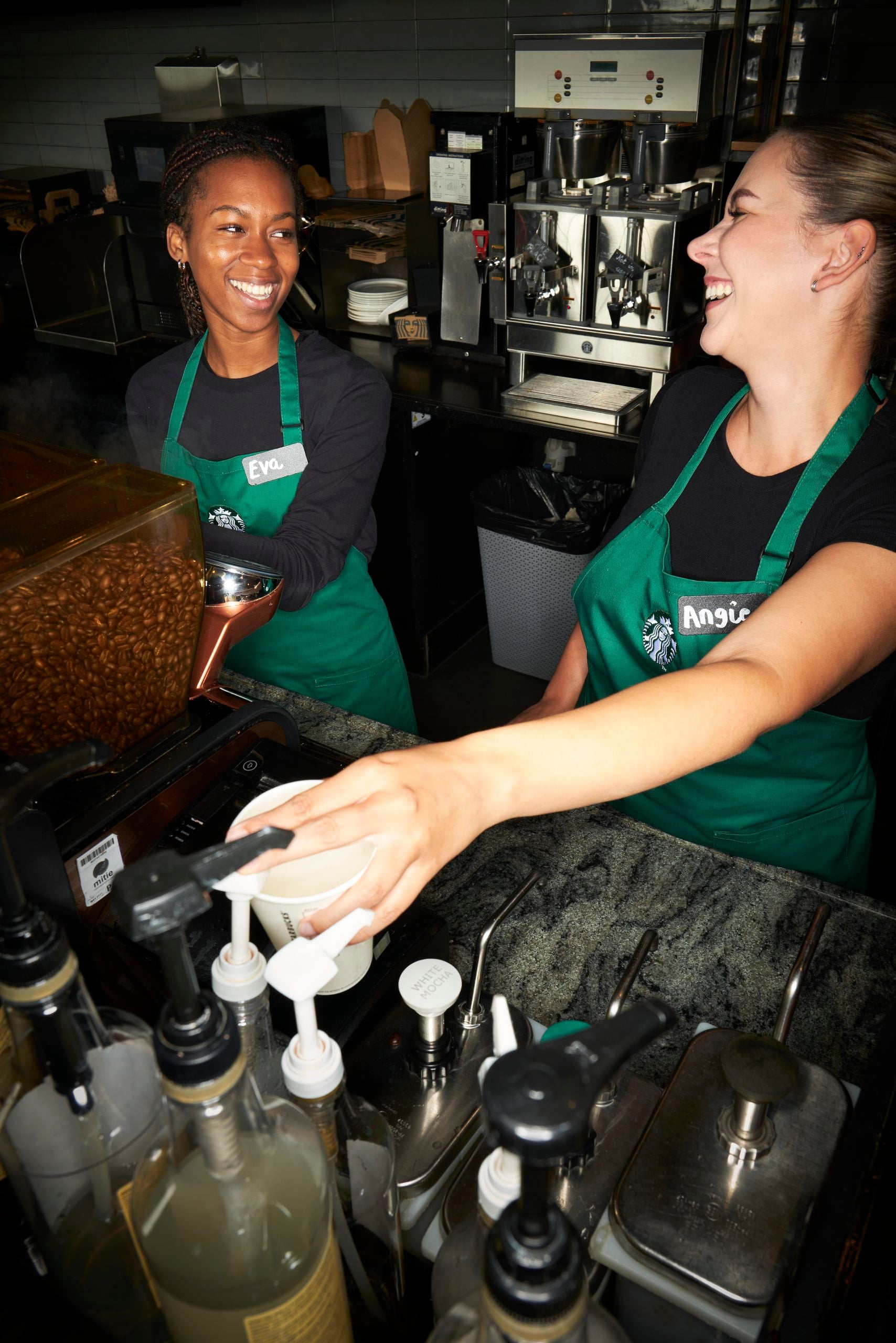
Starbucks plans to welcome 7,500 new baristas across the UK over the next five years, joining more than 18,000 employees already bringing the Starbucks Experience to life for customers every day and supporting its ambition to open 500 new coffeehouses during the same period.
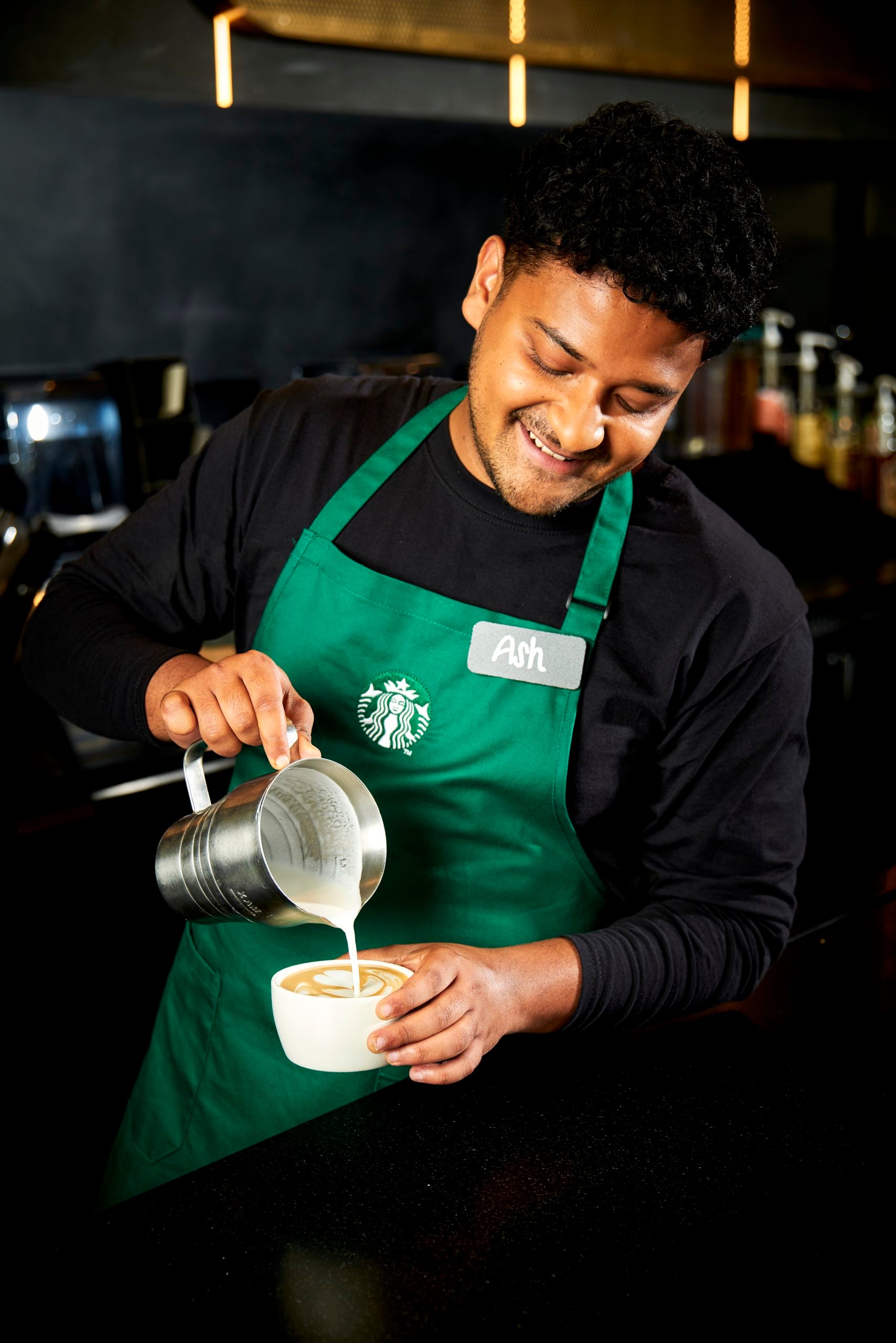
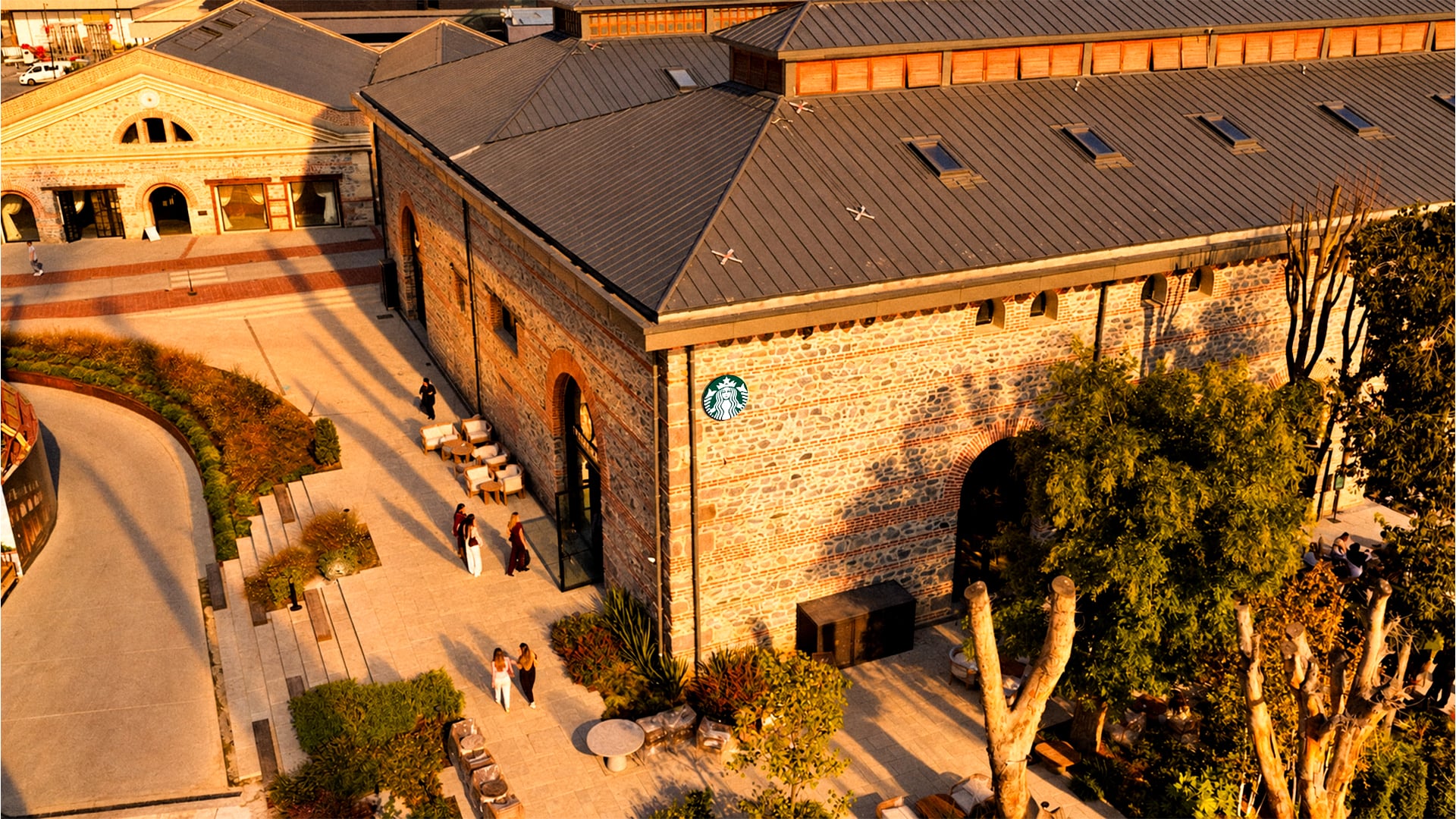
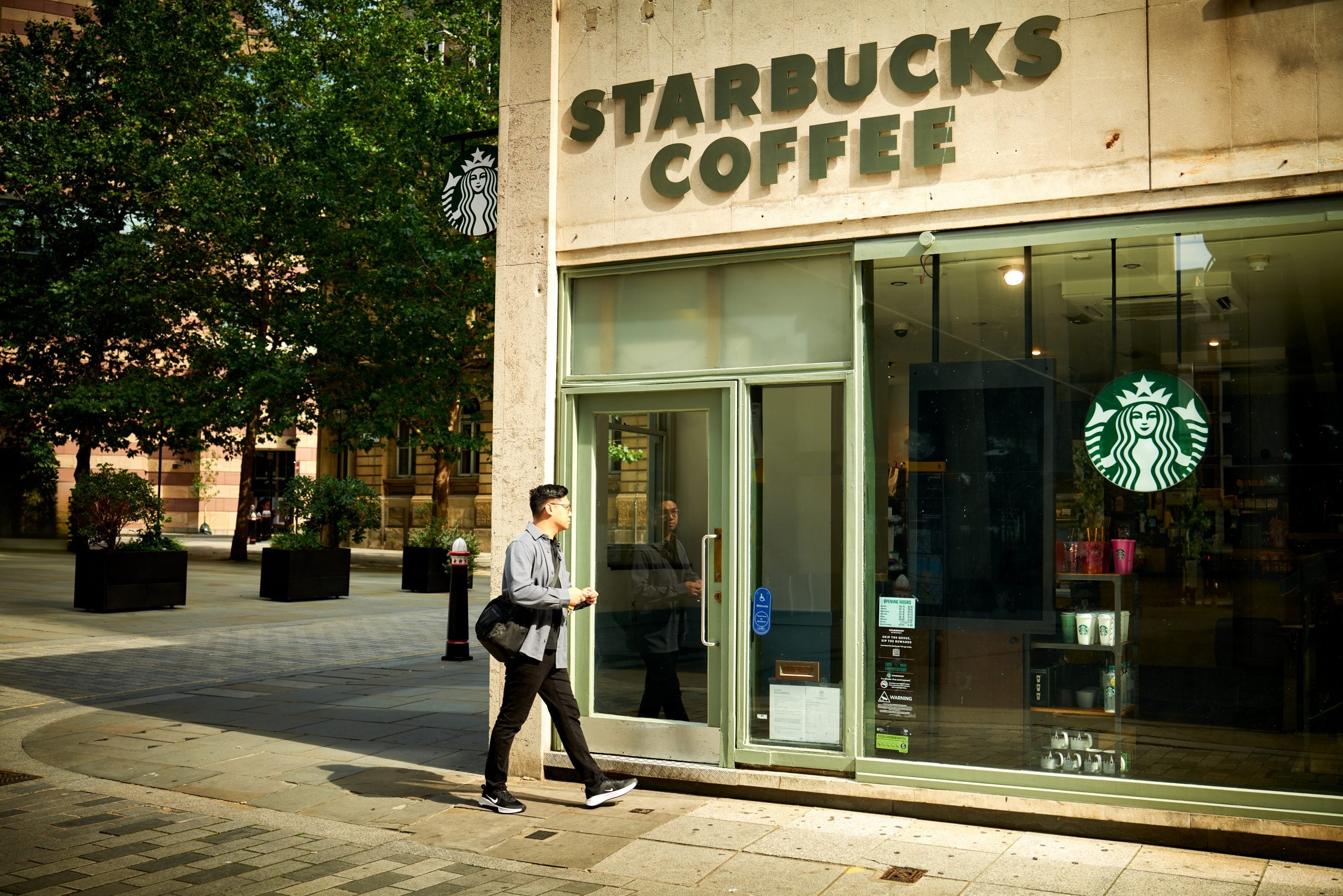
Around 80% of those new coffeehouses are expected to be north of the M25, creating more opportunities across the Midlands, North of England, Wales and Scotland.
It comes as Starbucks sees significant potential outside its traditional London heartland, with new coffeehouses helping the brand become part of more towns and communities around the country.
For Darren King, though, growth isn’t just about putting more green dots on the map. Every new coffeehouse needs people to bring it to life.
“At the heart of our Back to Starbucks strategy is our ambition to create a place where people can build skills, grow their careers and feel part of a team. We’re deeply focused on how we can help more young people into these positions, starting by making entry-level roles as accessible as possible.”
More than a “stopgap” job
More than half of partners in Starbucks company-operated UK coffeehouses are under 24, which means a job at Starbucks is often one of someone’s earliest experiences of working life.
Research commissioned by Starbucks found that 83% of 18 to 35-year-olds who have worked in customer-facing retail or hospitality roles said the experience helped them develop skills that have been useful in their working lives, from communication and teamwork to customer service.
Yet there’s still a disconnect in how those jobs are seen.
More broadly, 68% of the young adults surveyed agreed that jobs in retail and hospitality are perceived as temporary or “stopgap” work.
Starbucks wants to challenge that idea. As Darren King puts it: “Working face-to-face with customers, colleagues and managers helps build vital interpersonal skills that can provide the foundation for any career.”
And sometimes, that career is at Starbucks.
From barista to store manager, and beyond
Across Starbucks UK today, there are more than 6,000 leaders working in coffeehouses and ss the business grows, Starbucks is creating more ways for partners to join them.
An additional 140 deputy store manager roles are being created, while the Accelerated Leadership Programme gives baristas an opportunity to develop the skills to become store manager-ready in around 13 months, compared with a journey that would typically take around three years.
Starbucks has committed to another 200 apprenticeship places over the next year, adding to the more than 2,000 employees who have already participated in its fee-free apprenticeship programme.
Partners who fall in love with coffee can deepen their knowledge through Coffee Masters. Others might discover that their interests take them somewhere completely different.
A career that begins behind the bar can ultimately lead into areas ranging from beverage development to finance and marketing.
New coffeehouses, new communities
The other side of the Starbucks UK growth story is where those opportunities will be created. Much of the historic Starbucks estate has grown around London but the business sees significant “white space” elsewhere in the country, particularly across central and northern England.
Starbucks has been doing the groundwork to unlock that opportunity, including reshaping its licensing model to give both its company-operated business and licensees greater clarity about where and how they can grow.
Alongside its core coffeehouses and drive-thrus, Starbucks has also been experimenting with smaller formats that allow it to show up in different places and communities.
But the goal isn’t growth for growth’s sake, for Darren King, a successful coffeehouse still comes down to something much simpler: human connection.
Drawing on his years in the pub industry, he sees a similarity between the role of the local pub and the coffeehouse. For a customer walking through the doors, that visit might be their only moment of connection with someone that day.
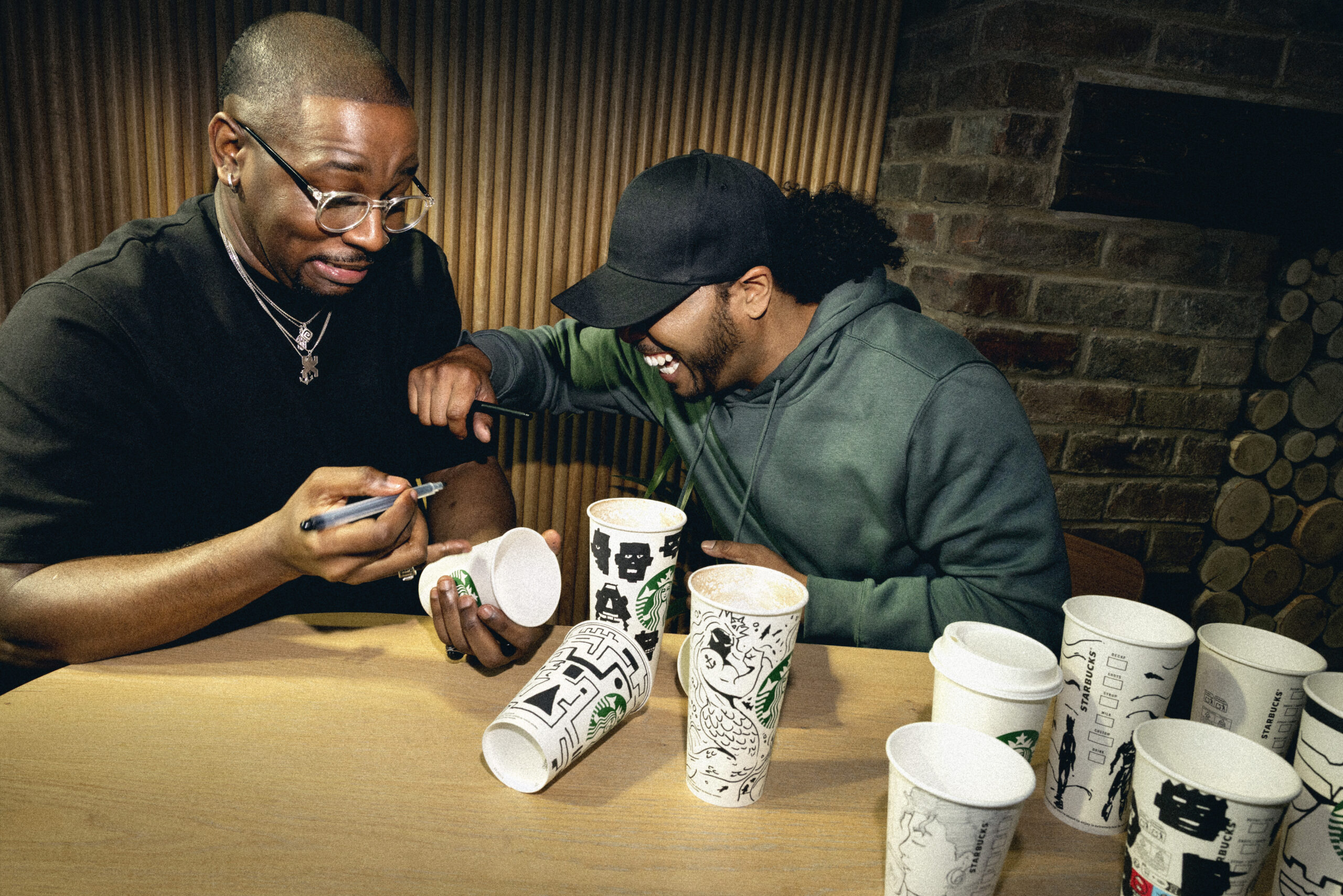
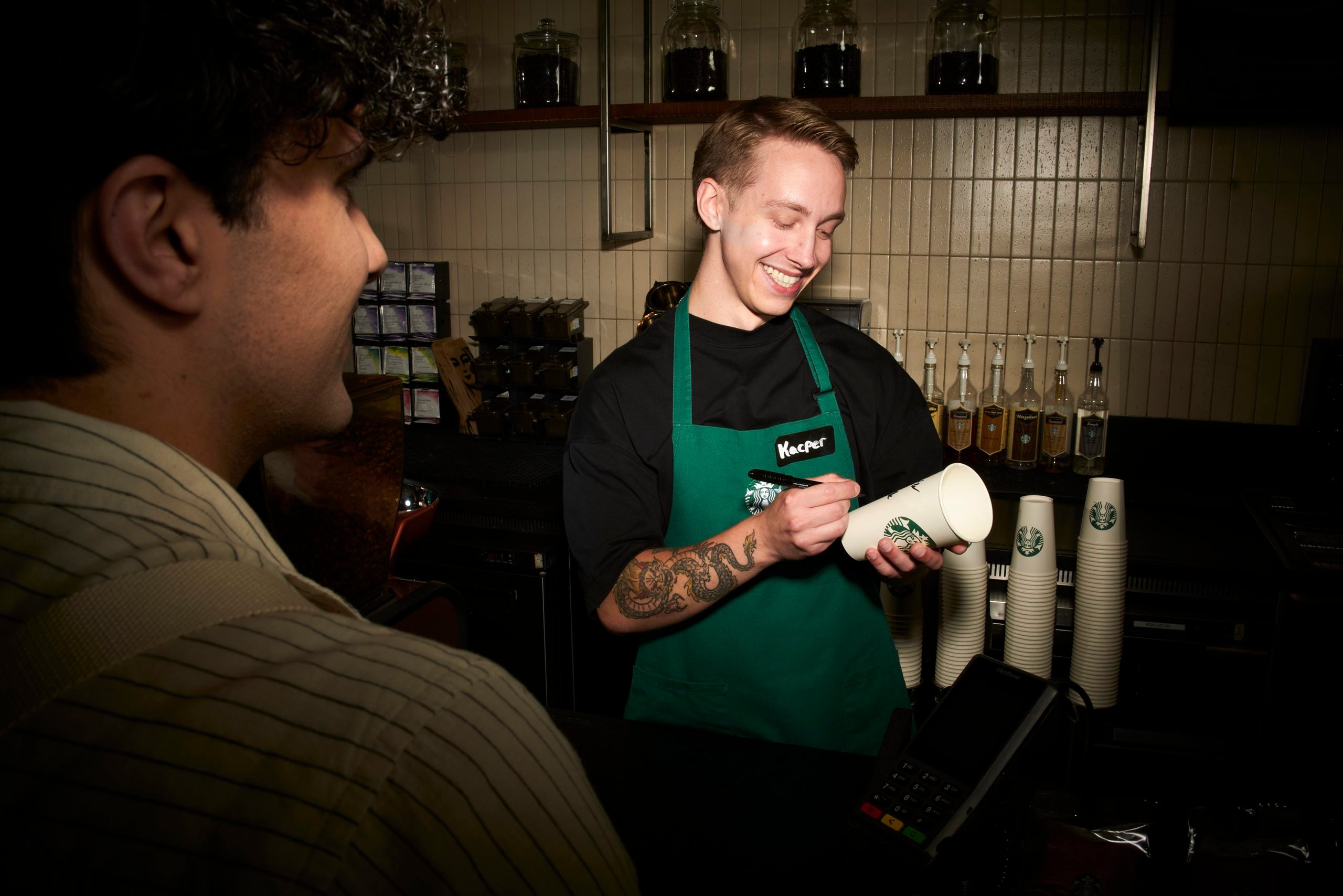
It’s also at the heart of Back to Starbucks: getting back to the things that make a Starbucks coffeehouse feel like Starbucks, from the craft of the coffee to a conversation with a barista or a message written on a cup.
Over the next five years, there will be 500 more opportunities to create those moments. And 7,500 new partners who can make them happen.
For some, Starbucks will be a first job. For others, it will be a new direction. And for some, it could be the beginning of a career they haven’t imagined yet.
You can find all our open roles here: https://www.starbucksemeacareers.com/en