Starbucks Surpasses 6,000 Coffeehouses in Asia Pacific, Adding More Than 700 in Three Years
Milestone marked in Vietnam’s coffee heartland as Starbucks continues to
evolve how it serves customers across the region.
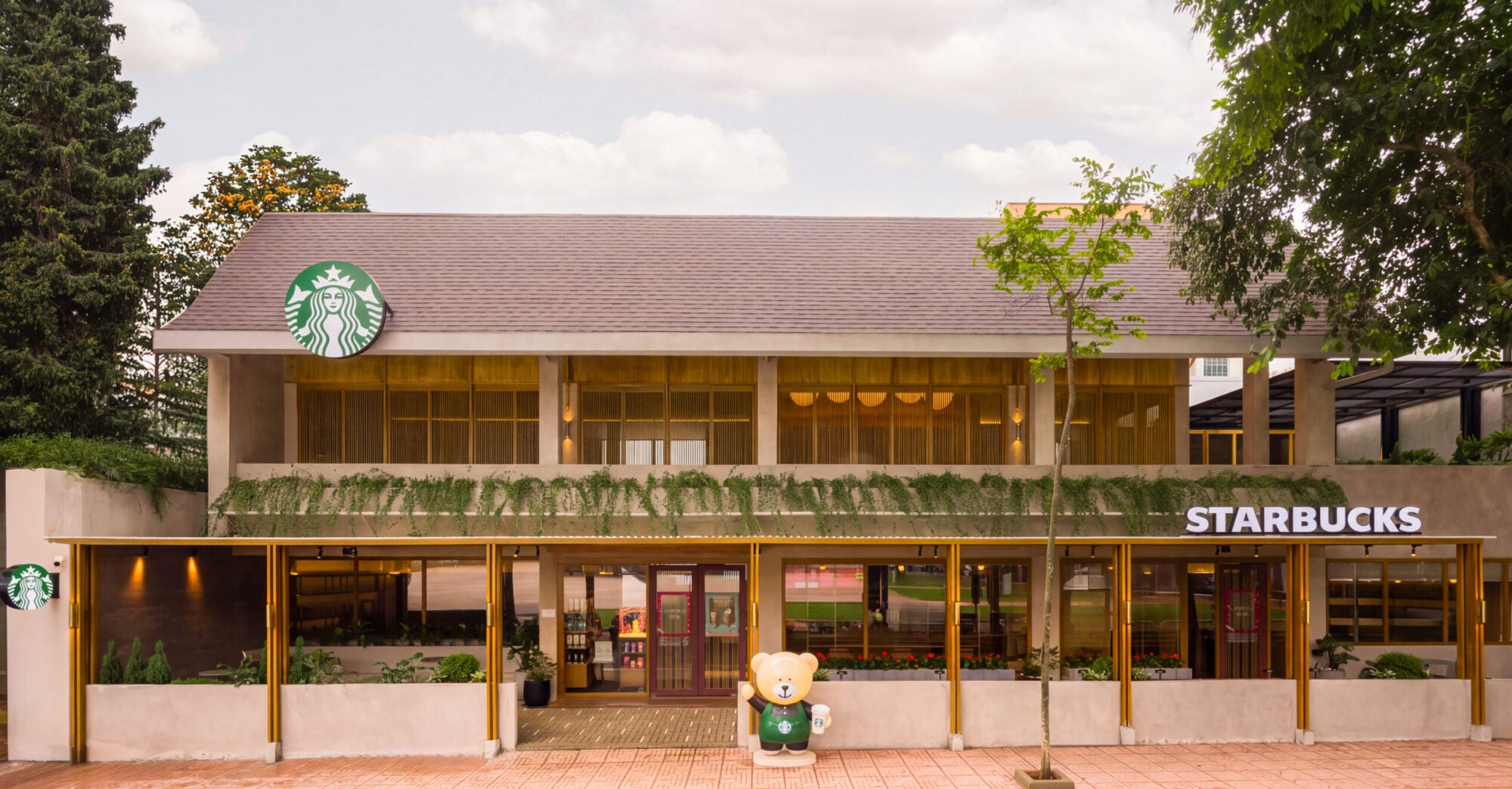
Starbucks has surpassed 6,000 coffeehouses across 16 markets1 in Asia Pacific, marking a significant milestone in its nearly three-decade journey in the region. Following a net increase of more than 700 coffeehouses over the past three years2, the company is commemorating the milestone with the opening of a new coffeehouse in Buon Ma Thuot, located in Vietnam’s coffee-growing Central Highlands.
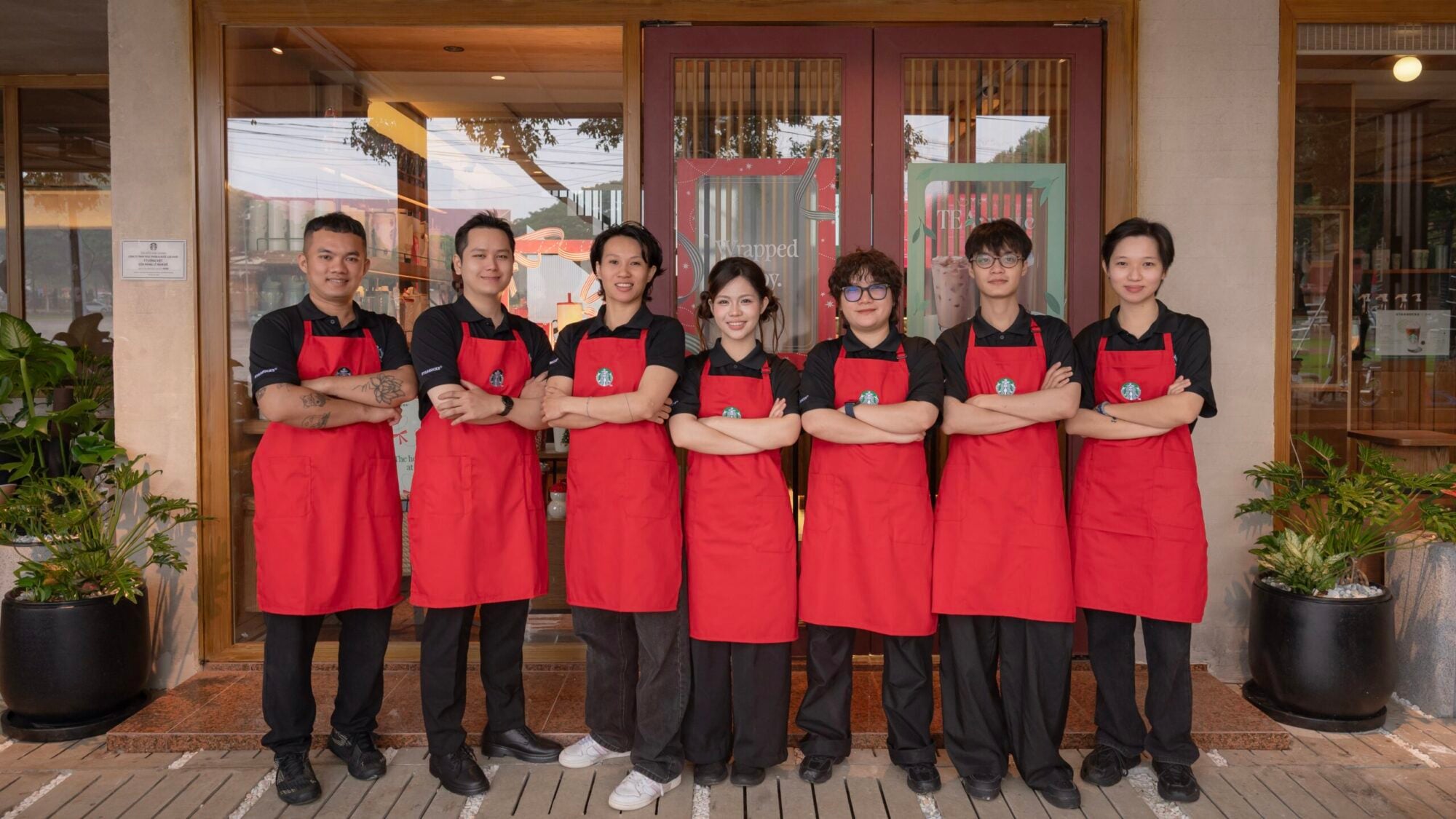
Starbucks Asia Pacific coffeehouse footprint grew 13% over the same period, from 5,303 to 6,022 locations. Since opening its first Asia Pacific coffeehouse in Singapore in December 1996, Starbucks has grown to serve more than 2.8 million customers daily across the region, supported by more than 62,000 Green Apron partners (employees) and its longstanding licensing partners.
“Surpassing 6,000 coffeehouses is a meaningful moment in our nearly 30-year journey in Asia Pacific, made possible by our Green Apron partners and licensing partners who have helped bring the Starbucks Experience to millions of customers across the region,” said Chanda Beppu, president, Starbucks Asia Pacific. “Marking this milestone in Buon Ma Thuot, where so much of Vietnam’s coffee story begins, feels especially fitting. As we look ahead, we will continue to grow alongside the markets we serve, reaching more customers while strengthening the coffeehouse experience, both in new locations and in those already at the heart of our communities.”
Meeting customers at more moments in their day
As its regional network grows, Starbucks continues to evolve its coffeehouse portfolio to serve different customer routines and occasions, from everyday convenience and neighborhood connection to deeper coffee discovery through Starbucks Reserve™ and distinctive destination coffeehouses.
“As our coffeehouse networks grow, the opportunity isn’t simply to add more of the same. It’s to find new ways to serve our customers throughout their day and week,” said Amol Akolkar, managing director, store development, design & market planning, Starbucks Asia Pacific. “We are making more deliberate choices about where and how we develop our coffeehouses to reflect our customers’ lifestyles and meet different needs and occasions, while staying true to the Starbucks Experience that brings people together.”
Vietnam milestone coffeehouse brings the Starbucks destination experience to life
The opening of Starbucks® Ly Nam De, Starbucks first coffeehouse in Buon Ma Thuot, reflects the company’s continued expansion into culturally distinctive destinations, creating opportunities to become part of customers’ travel, leisure and discovery occasions.
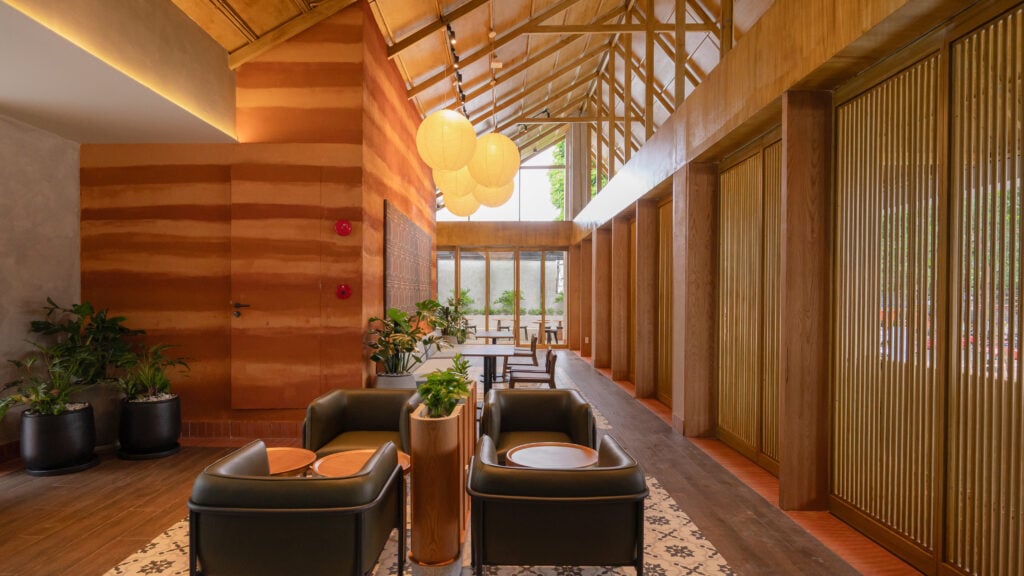
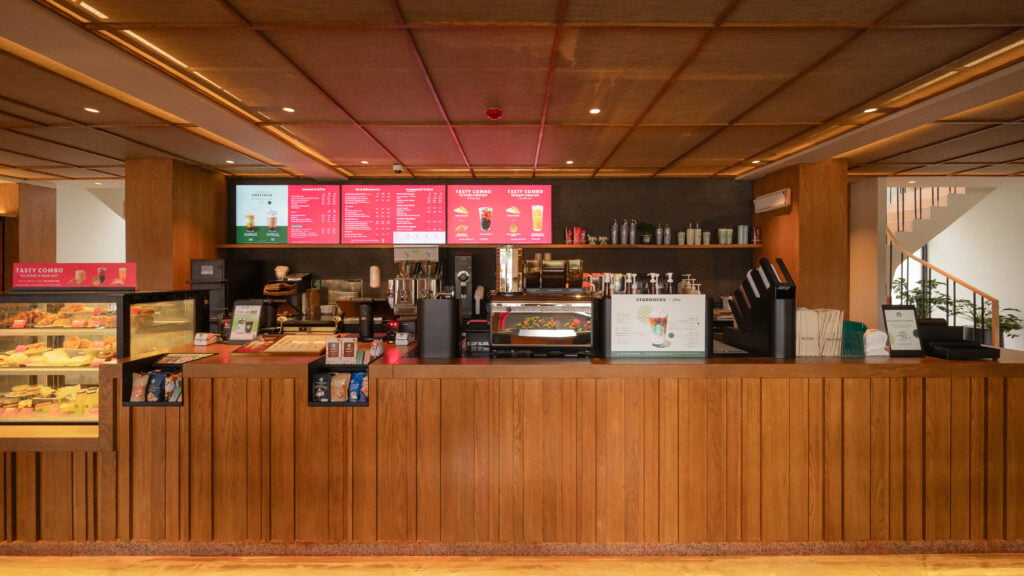
Located in Vietnam’s Central Highlands, the coffeehouse draws on the region’s deep-rooted coffee heritage, blending contemporary Starbucks design with local cultural influences. Reflecting the journey of coffee from bean to cup, the space features locally sourced materials and artwork inspired by traditional weaving, alongside architectural elements referencing the traditional Rong house, known for its towering roof and role as a communal gathering place in parts of the Central Highlands. Together, these details reflect the character of Buon Ma Thuot while creating a welcoming space for customers to gather and connect over coffee.
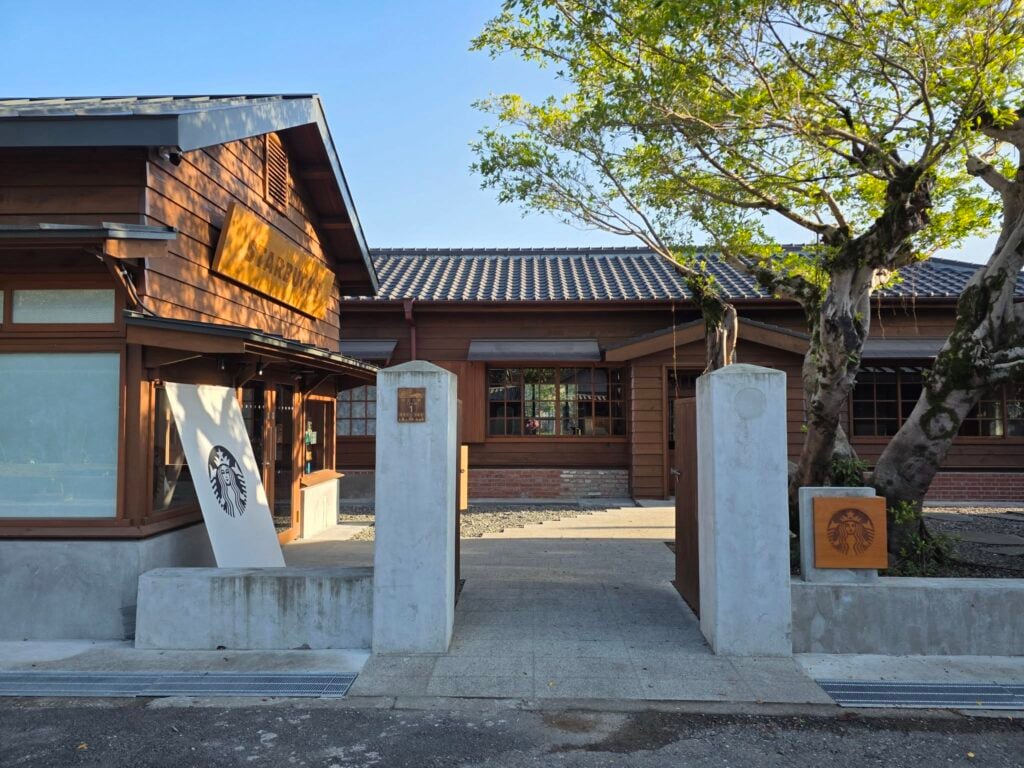
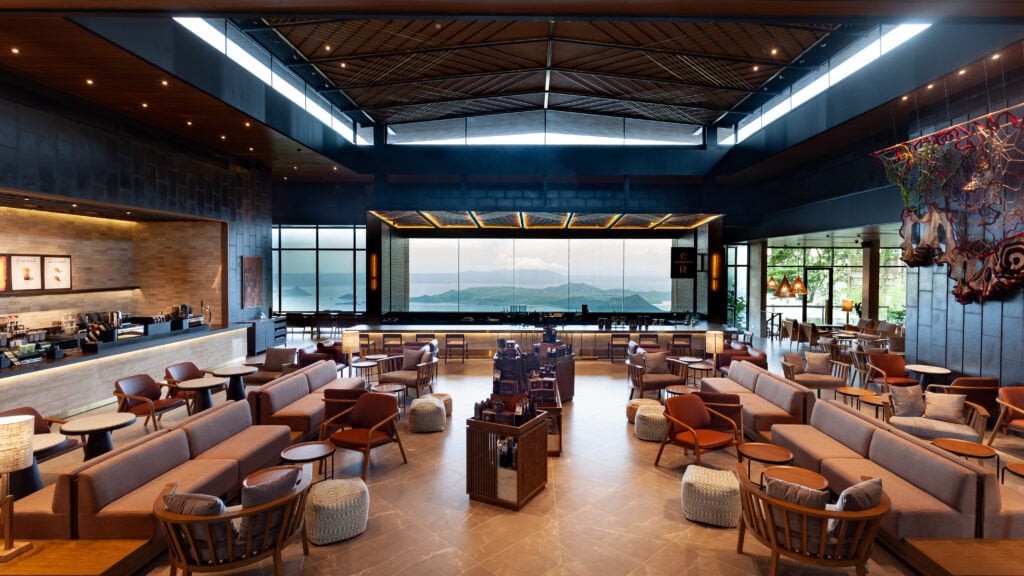
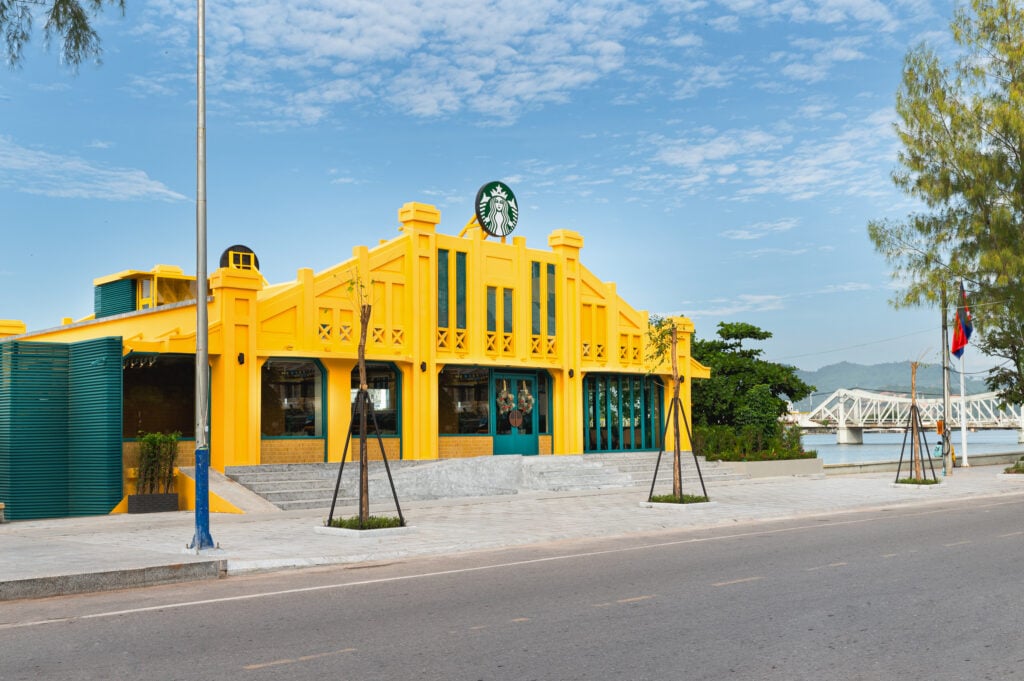
Other destination coffeehouses opened across Asia Pacific in recent years include Starbucks® Luodong Forestry Culture Park in Taiwan, set within a restored historic forestry site; Starbucks Reserve™ Hiraya in the Philippines, overlooking Taal Volcano; and Starbucks® Kampot in Cambodia, housed in a historic riverside building. These locations demonstrate how Starbucks adapts its coffeehouse experience to the character and heritage of the places customers visit.
Expanding the Starbucks Experience through smaller, more flexible coffeehouse formats
The Starbucks Experience that customers know and love remains at the heart of every coffeehouse, while smaller, more flexible formats enable Starbucks to serve customers across more locations and occasions.
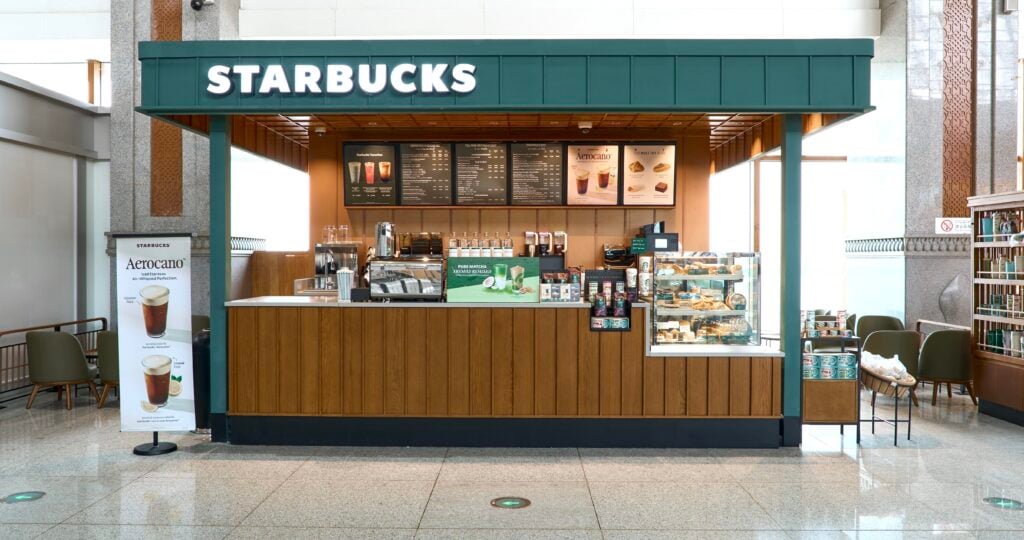
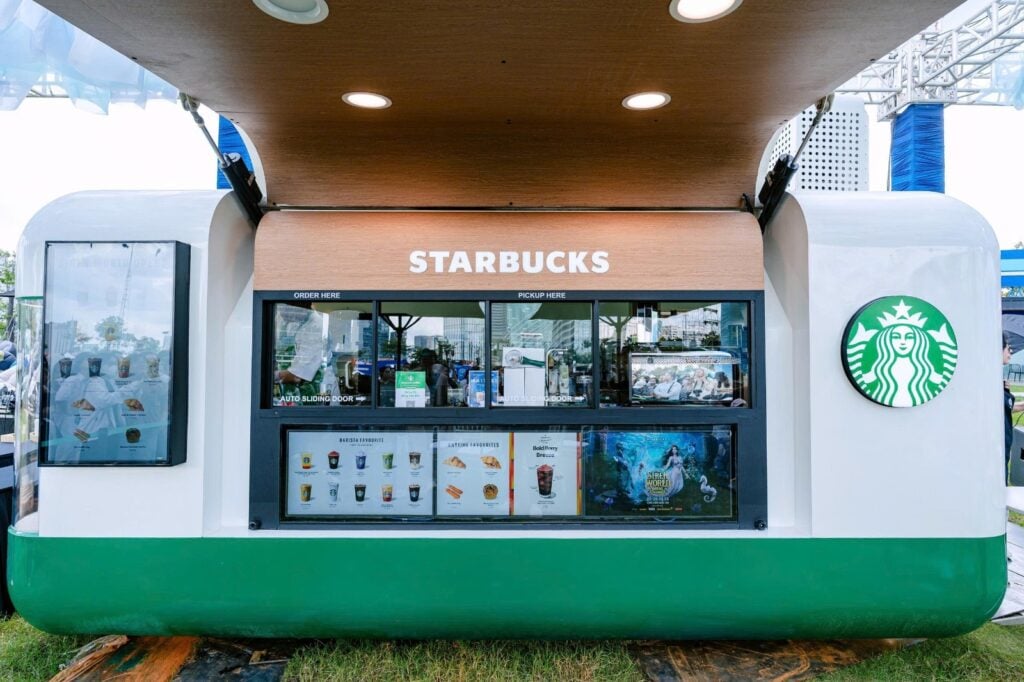
Adaptable and modular designs allow Starbucks to respond to different spaces and customer needs, from busy transit hubs to event spaces and other settings where a conventional coffeehouse may not be the best fit.
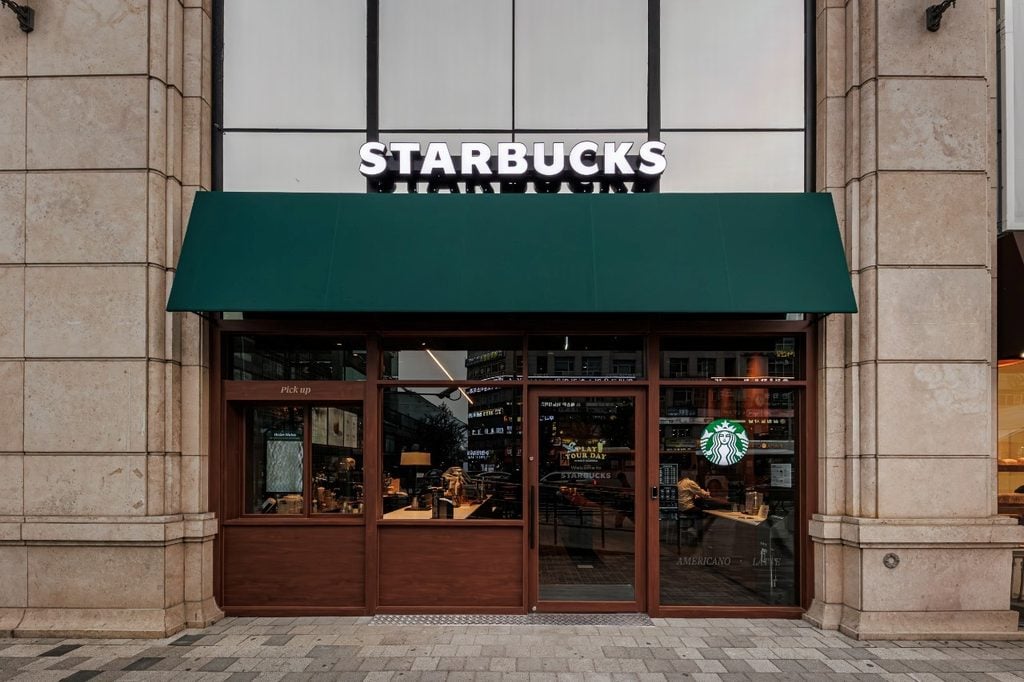
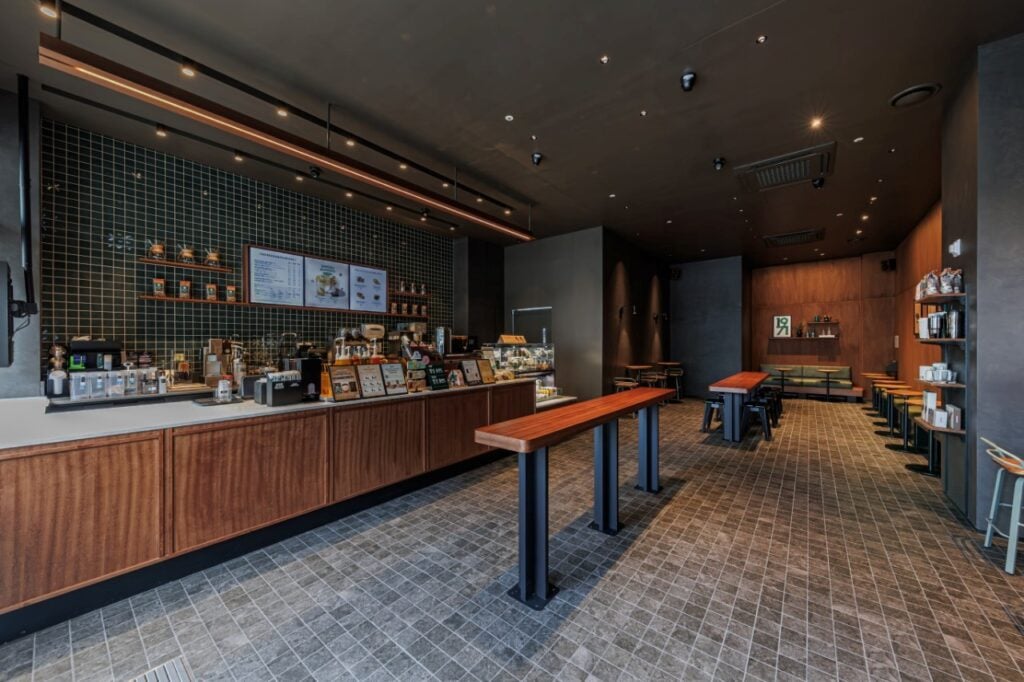
In Seoul, a commuter-focused coffeehouse combines mobile ordering and quick pickup with comfortable seating, while a smaller coffeehouse at Vientiane Station in Laos serves travelers along the China-Laos high-speed railway. Both demonstrate how Starbucks can tailor its coffeehouse formats to different environments and customer needs.
In Vietnam, a Starbucks mobile coffee truck takes the Starbucks Experience beyond the conventional coffeehouse, reaching customers at concerts, events and community spaces. Building on its success, Starbucks is exploring opportunities to introduce the concept in additional Asia Pacific markets to engage customers in new locations and occasions.
As Starbucks looks beyond 6,000 coffeehouses in Asia Pacific, the company will continue to evolve its portfolio to reach more customers and communities in relevant ways, combining new, smaller and more flexible formats with continued investment in existing coffeehouses, while staying true to the Starbucks Experience at the heart of its growth.
1. Starbucks Asia Pacific comprises 16 markets, including Australia, Brunei, Cambodia, Hong Kong, India, Indonesia, Laos, Macau, Malaysia, New Zealand, the Philippines, Singapore, South Korea, Taiwan, Thailand and Vietnam, and excludes mainland China and Japan.
2.Based on Starbucks Asia Pacific coffeehouse counts at FY2023 and FY2026 year-end September.